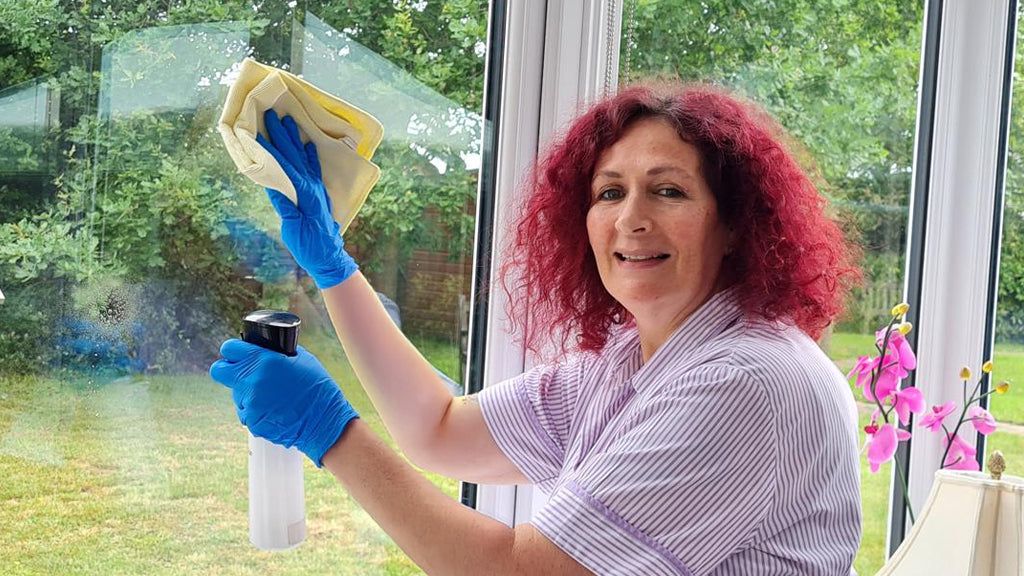

In the world of commercial cleaning, we are often asked about the differences between traditionally made synthetic chemicals and the growing trends towards sustainable cleaning solutions made by the likes of Toucan Eco.
So, here’s a few commonly asked questions we’ve tackled in a recent Q&A session.
Would you agree that there is a general movement in the cleaning industry to offer ‘chemical-free’ cleaning solutions?
Yes, increasingly so, particularly over recent years. This shift is largely driven by end-users seeking more sustainable and gentler alternatives to harsh, synthetic chemicals. It is also becoming more common – and a clear point of differentiation – for cleaning companies to offer chemical-free cleaning services when bidding for new work.
Do you think this stance is justified?
We believe it is justified where there are solutions on the market that are proven to be as effective as traditional chemicals, but without the disadvantages associated with toxic ingredients, harsh pH levels, or carbon-intensive manufacturing processes.
Would you argue that many chemical solutions are sustainable? How is this the case?
They certainly can be, but claims need to be examined carefully. It’s important to look at the full lifecycle: the ingredients used, how the solution is manufactured, its packaging and containers, how it is transported and stored, and what waste is produced. Sustainability should be assessed holistically – not based on a single ‘green’ attribute that represents only part of the picture.
Are chemical solutions evolving to ensure that they are safer both for the environment and for the operator?
Yes, and this is particularly evident as more brands enter this space with increasingly sophisticated products. Competition drives innovation, and this is further accelerated by a growing awareness of sustainability and a clearer understanding of how it can be applied practically in real-world cleaning operations.
Are there some cleaning tasks for which only a chemical will do?
In some cases, yes. Activities such as deep cleaning may require solutions that are stronger than those used for routine cleaning, for example heavy-duty degreasers or descalers. However, for daily cleaning or sanitising, there are now highly effective and more eco-friendly alternatives available that perform as well as or better than traditional chemicals across most environments, including washrooms, healthcare settings and food preparation areas.
What might happen if cleaners were to simply use water, microfibre cloths or steam instead?
For daily cleaning, there is an argument for using water and microfibre alone, as this method has been shown to remove up to 99.9% of germs. However, it requires strict discipline to prevent cross-contamination and relies on frequent, well-managed laundry processes, which are not always in place or consistently followed. As a result, using a cleaner and sanitiser is often a safer, more effective and more practical solution for many operators.
What cleaning products do you offer that outperforms chemical alternatives while also being highly sustainable?
We supply Toucan Eco, which enables users to produce a multi-surface disinfectant cleaner onsite using only water, salt and electrolysis. It is proven to kill up to 99.999% of germs, is safe and environmentally responsible, and can replace up to 80% of conventional chemical cleaners. Once bought, the system delivers very low ongoing cost and carbon impact when generating the cleaning solution and is designed for daily cleaning and disinfecting.
To find out more, please visit our FAQ section here.