

A new breed of caterer using Toucan Eco
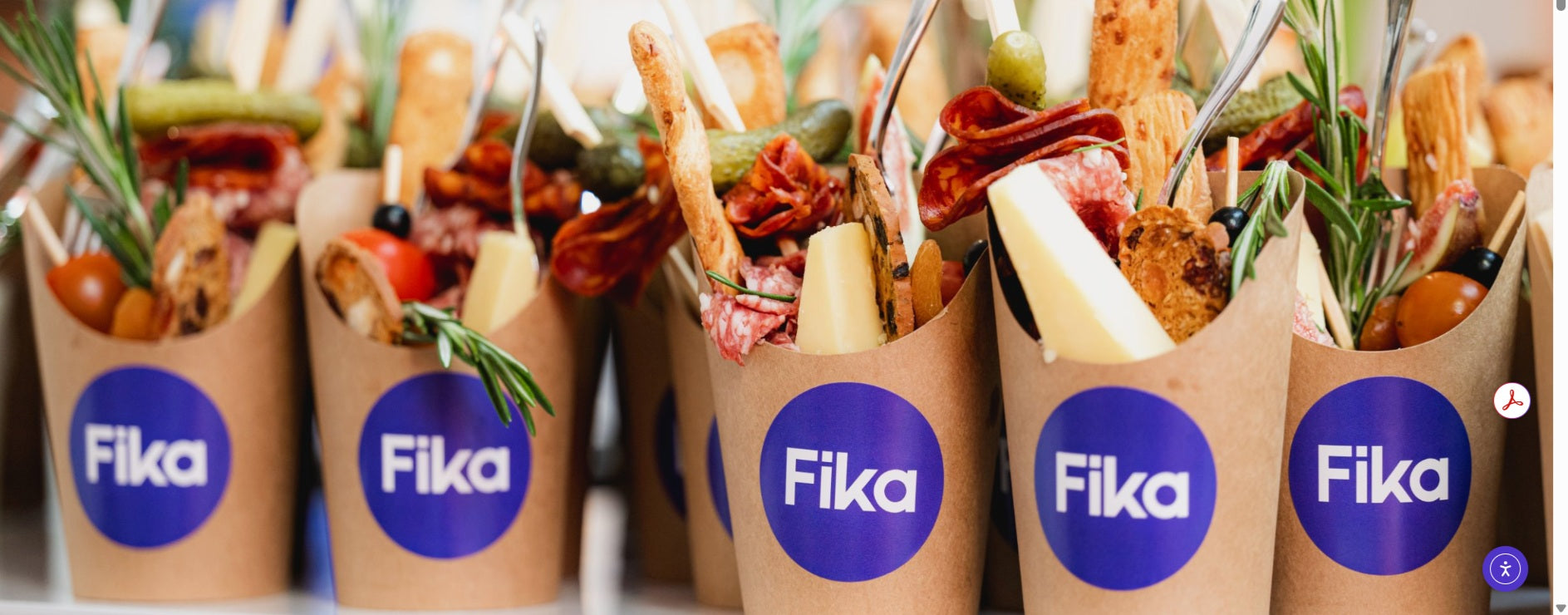
FIKA is a dynamic, London-based fresh-food caterer with sustainability and social impact at its core. As a B Corp™ and certified Green Small Business, they specialise in running coffee bars, cafés and hospitality services for workplaces and events.
Alongside their catering work, FIKA operates The Bloom Coffee Academy, a social enterprise where £5 from every kilogram of coffee sold funds training for disadvantaged individuals, providing professional qualifications and support into employment.
Operating from three central production units, FIKA delivers to professional clients across London, using electric vehicles to reduce emissions while supporting their clients’ own sustainability goals. The business does not use plastic straws, opts for recyclable paper cups, offers paid volunteering days for staff, and reduces food miles by using seasonal ingredients.
They truly are a new breed of caterer, blending social impact, ethical sourcing and wellness-driven food. FIKA is fabulous food with a conscience – now backed by B Corp™ certification.
How can we be ethical?
FIKA was formed during Covid, when Founder and CEO Ed Walker had the time to deeply research every aspect of the business.
Ed explains: “I had a year creating a business plan – what the company should stand for and what our values should be. This meant I could challenge every aspect of our social impact. For example, which is the most ethical bank to use, what’s the best environmentally friendly uniform to wear. Then I looked at how we clean using chemicals, and that’s when I came across Toucan Eco.”
For FIKA, Toucan Eco replaces all disinfectant sanitiser and is used effectively by their 90-strong team to clean work surfaces, glassware and tables, both back of house in the chefs’ kitchen areas and front of house in coffee bars and restaurants.
“Since that day, we now use Toucan Eco across all of our sites and client locations, starting with the one-litre Worktop. We’re also rolling out the most recent model, the two-litre Centrego Renew. These are used in restaurants and kitchens across all 14 client sites, as well as the five satellite kitchens we operate ourselves.”
How Toucan Eco works
Toucan Eco uses tap water (H₂O), a small amount of salt (NaCl), and a clever form of electrolysis called electrochemical activation to break the compounds into their basic elements.
The reaction oxidises at the positively charged electrode and reduces at the negatively charged electrode, creating a solution with altered chemical properties – a powerful yet safe disinfectant and cleaning solution that is made onsite.
During the process, the hydrogen and oxygen in the water react with the chlorine in the salt to produce hypochlorous acid (HOCl), the primary active substance. This is a powerful yet gentle disinfectant that naturally wants to revert to its original state by oxidising organic matter – a key part of its effectiveness.
At the same time, the sodium and chlorine in the salt combine with oxygen in the water to produce a mild form of sodium hypochlorite (NaClO). Along with a gentle alkaline pH of between 7.8 and 8.5, this gives the solution its cleaning properties.
Toucan Eco offers a range of models to suit homes and workplaces of all sizes, from units that make 350ml at a time, through to larger commercial systems producing 40 litres or more per
activation.
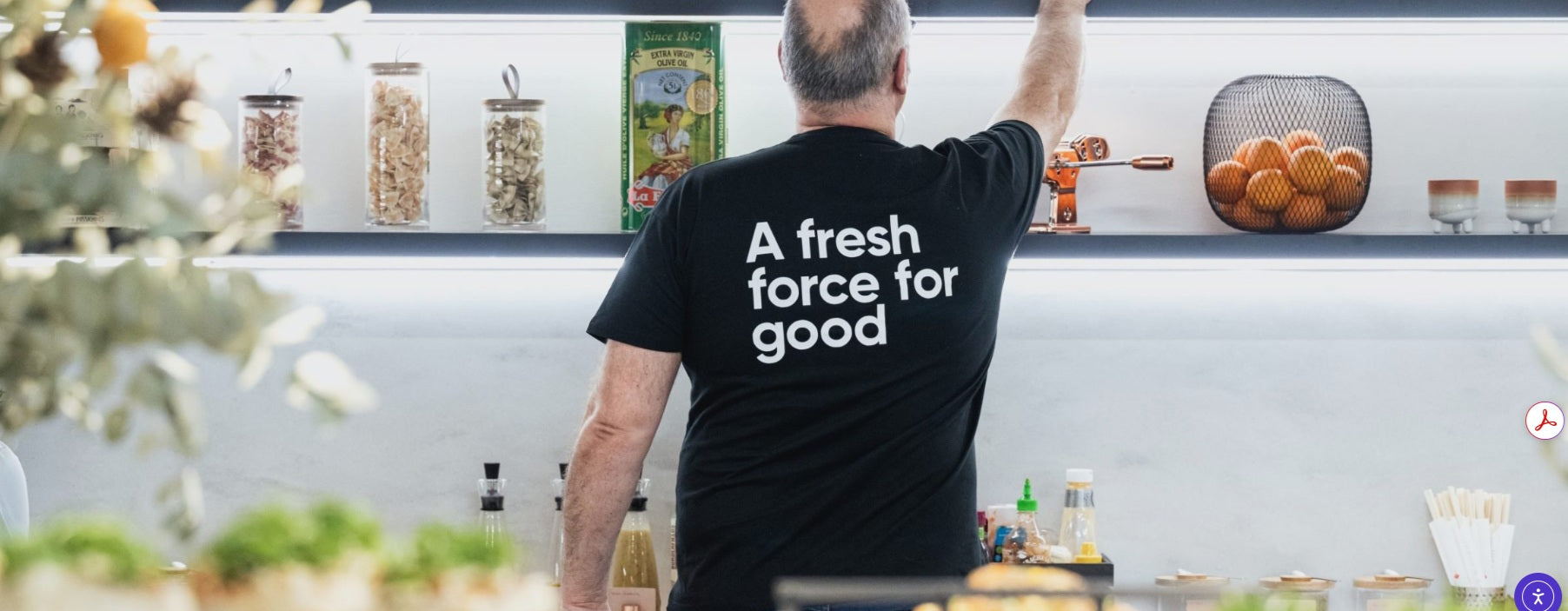
“We’ve been using Toucan Eco from the start, and often when we’re tendering for new business I’ll demo how it works and explain why it’s sustainable,” says Ed. “It’s fascinating to see something as simple as water and salt being chemically transformed into a cleaning solution – people really engage with it.
“For me, it’s a no brainer. It does save a lot of money for us and our clients, but more importantly it’s better for the environment, reducing plastic waste, unnecessary transport and the manufacturing footprint of traditional cleaning chemicals. We’re really happy using Toucan Eco, and I genuinely think it should be used in every office and by every caterer.”
Financial constraints vs sustainability
A recent ‘Driving sustainable change under financial pressures’ webinar, hosted by The Caterer, highlighted the tension between financial constraints and sustainability within the hospitality sector. The central question posed was: how can leaders drive meaningful environmental change when every penny counts? – a challenge that resonates far beyond hospitality.
Towards the end of the session, where Ed appeared as a guest speaker, he summed it up perfectly: “And I think the best one, and this will be my last example, is that some things even save you money.”
Ed goes on to discuss Toucan Eco in more detail in the video below:
https://youtu.be/D-hXz0nEE0k
For more information, please visit www.fikacatering.com and www.toucaneco.co.uk